Finding The Best Portable Air Compressor For Car Tires
Flat tire? It’s a frustrating experience, especially when you’re miles from a gas station. A good portable air compressor for car tires is a lifesaver in these situations, offering convenience and peace of mind. This guide will help you choose the perfect compressor for your needs, covering factors like power, portability, and ease of use. You’ll learn how to identify key features and avoid common pitfalls, ensuring you’re prepared for any flat tire emergency.
Choosing the Right Air Compressor for Your Vehicle
Selecting a portable air compressor requires careful consideration of several factors. This section outlines the key aspects to focus on to ensure you choose a model that effectively inflates your car tires and suits your lifestyle. We’ll examine different compressor types, power sources, and essential features.
Compressor Types: DC vs. AC
- DC Compressors (12V): These run directly off your car’s battery, making them highly portable and convenient. They are ideal for infrequent use and are generally lighter and less powerful than AC compressors. However, prolonged use can drain your car’s battery.
- AC Compressors (120V): These require a household power outlet, limiting their portability. They’re generally more powerful and faster inflating than DC compressors but need access to power. They are great for garages or workshops, but less suitable for roadside emergencies.
Power and PSI
The compressor’s power, measured in CFM (cubic feet per minute) and PSI (pounds per square inch), directly impacts inflation speed. Higher CFM and PSI ratings indicate faster inflation times. Consider the size of your tires and your desired inflation speed when selecting a compressor. A higher PSI rating allows you to inflate larger tires or high-pressure tires more quickly.
Portability and Size
- Size and Weight: A compact and lightweight compressor is essential for easy storage and transportation. Consider how easily you can carry and store the compressor in your vehicle.
- Storage Case: A protective case is a valuable addition, safeguarding the compressor during transport and storage, preventing damage.
Top Features to Look For in a Portable Air Compressor
Beyond the basic specifications, several features can enhance the usability and performance of a portable air compressor. This section explores these important functionalities to help you make an informed decision.
Automatic Shut-Off
An automatic shut-off feature prevents overinflation, protecting your tires and the compressor itself. Once the desired tire pressure is reached, the compressor automatically stops, simplifying the inflation process. This prevents accidental damage or overinflation.
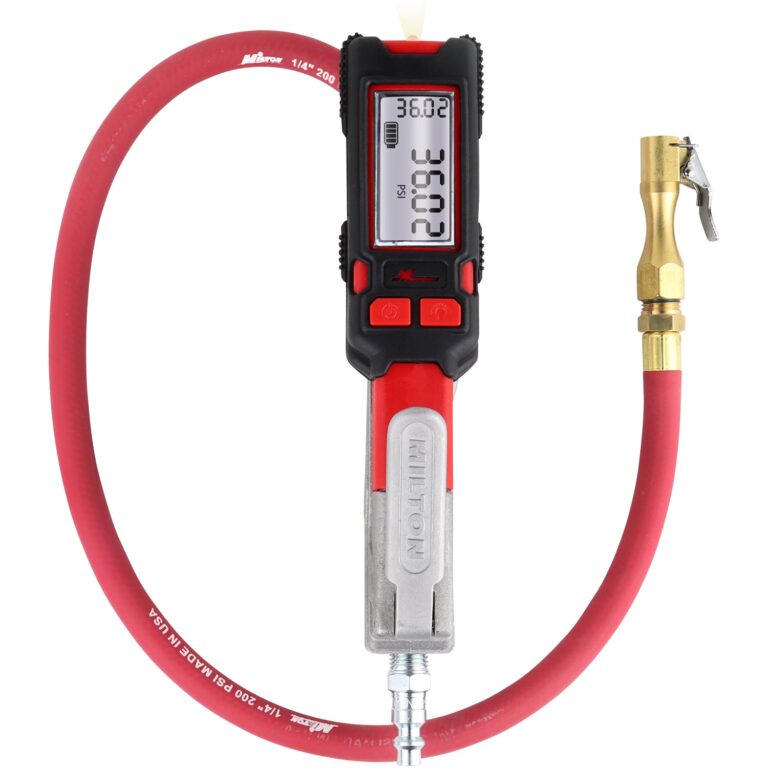
Digital Pressure Gauge
- Accuracy: Digital gauges provide highly accurate pressure readings, ensuring you inflate your tires to the manufacturer’s recommended PSI.
- Ease of Use: These are significantly easier to read compared to analog gauges. This makes accurate inflation straightforward and reduces the margin for error.
Multiple Nozzles and Accessories
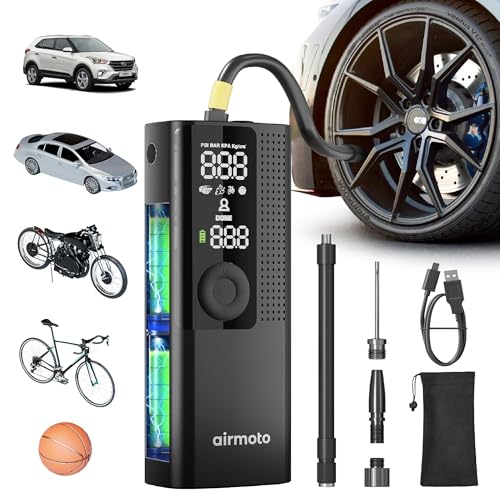
A versatile compressor should come with various nozzles and accessories to cater to different inflation needs. This is particularly important if you need to inflate things beyond car tires, such as bicycle tires or sports balls. Consider the variety of potential uses before selecting a model.
Built-in LED Light
A built-in LED light is particularly useful for roadside emergencies, illuminating the tire and inflation process in low-light conditions. This significantly improves visibility and safety during nighttime or dimly lit situations.
Understanding Air Compressor Technology and Maintenance
This section will clarify the underlying technology of portable air compressors and provide essential maintenance tips to ensure longevity and optimal performance of your chosen model.
Compressor Types and Their Mechanics
- Piston Compressors: These are the most common type in portable air compressors. They use a piston to compress air, creating pressure. They tend to be more durable but can be noisier than other types.
- Diaphragm Compressors: These compressors use a flexible diaphragm to compress air. They are typically quieter and more lightweight than piston compressors but might have a shorter lifespan.
Maintaining Your Portable Air Compressor
- Regular Cleaning: After each use, clean the compressor to remove any dust or debris that could affect its performance. This prolongs its lifespan and maintains optimal functionality.
- Lubrication (if applicable): Some compressors require periodic lubrication. Refer to your compressor’s manual for specific lubrication guidelines.
- Proper Storage: Store the compressor in a cool, dry place to prevent corrosion or damage.
Troubleshooting Common Problems
Understanding common issues and their solutions can save you time and frustration. Some common problems include the compressor not turning on (check the power source and fuses), low inflation speed (check the air filter), and inconsistent pressure readings (check the pressure gauge calibration).
Comparing Popular Portable Air Compressors
Insert a comparison chart here comparing at least three popular portable air compressors based on key features, price, and customer reviews. Consider factors like CFM, PSI, size, weight, and additional features.
| Feature | Compressor A | Compressor B | Compressor C |
|---|---|---|---|
| PSI | 150 | 120 | 100 |
| CFM | 3 | 2.5 | 2 |
| Weight | 5 lbs | 4 lbs | 3 lbs |
| Price | $50 | $40 | $30 |
Debunking Common Myths About Portable Air Compressors
Myth 1: All portable air compressors are the same.
This is false. Portable air compressors vary significantly in power, features, and reliability. Some compressors are designed for infrequent use, while others are built for more demanding tasks.
Myth 2: A higher price always indicates better quality.
Not necessarily. While price can be an indicator of quality, it’s essential to research features and reviews to ensure you’re getting value for your money. Consider comparing features across different price points.
FAQ
What is the best PSI for car tires?
The ideal PSI for your car tires is indicated on a sticker located usually on the driver’s side doorjamb or in the owner’s manual. Never inflate beyond the recommended PSI.
How often should I check my tire pressure?
It’s recommended to check your tire pressure at least once a month, and before long trips. Tire pressure can fluctuate due to temperature changes.
Can I use a portable air compressor to inflate other things?
Yes, many portable air compressors come with various nozzle attachments allowing you to inflate balls, inflatable toys, and other items. Check the specifications for your compressor.
What should I do if my portable air compressor stops working?
First, check the power source and fuses. If it still doesn’t work, consult your compressor’s manual or contact customer support.
How long does it take to inflate a tire with a portable air compressor?
Inflation time depends on the compressor’s power (CFM and PSI) and the tire size. Smaller compressors may take several minutes, while more powerful models inflate much faster.
Final Thoughts
Choosing the right portable air compressor for car tires significantly impacts your preparedness for roadside emergencies. By considering factors like power, portability, features, and maintenance, you can select a model that best fits your needs. Remember to check tire pressure regularly and be prepared for unexpected situations. Investing in a reliable portable air compressor is a wise decision for any car owner.