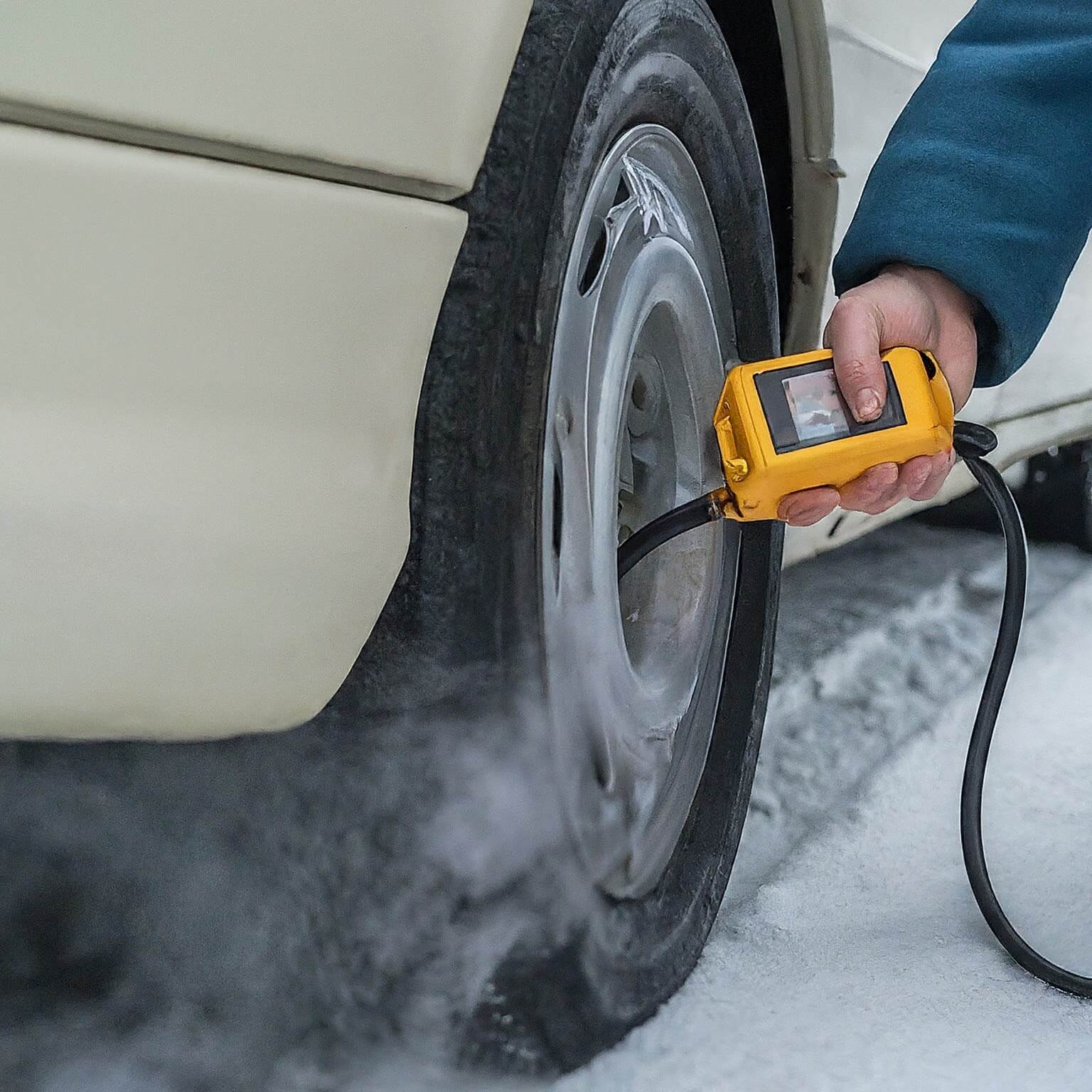
Inflating Car Tires in Cold Weather: Essential Tips for Safe Winter Driving
As temperatures drop, maintaining the correct tire pressure becomes a crucial aspect of winter driving safety. Cold weather can significantly affect tire pressure, leading to decreased performance, increased wear, and even the risk of accidents. This article provides essential tips for inflating car tires in cold weather, ensuring your vehicle remains safe and efficient throughout the winter months. If you’re new to using portable inflators, check out our beginner’s guide to portable tire inflators.
Understand the Impact of Cold Weather on Tire Pressure
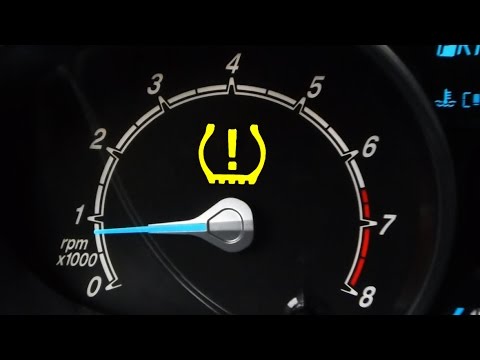
The first step in managing tire pressure during winter is understanding how cold weather affects it. For every 10 degrees Fahrenheit drop in temperature, tire pressure decreases by about 1-2 PSI (pounds per square inch). This natural phenomenon can lead to underinflated tires, compromising traction, handling, and fuel efficiency.
Regularly Check Tire Pressure
Regular monitoring is key to maintaining proper tire pressure during winter. Check your tire pressure at least once a month and before any long trips. It’s best to check the pressure when the tires are cold, as driving heats up the tires and can give a false reading. Use a reliable tire pressure gauge and ensure the pressure matches the manufacturer’s recommended PSI found in your vehicle’s owner manual or on the tire placard located on the driver’s side door jamb. For a detailed guide on using a tire inflator to maintain proper pressure, check out our comprehensive guide on how to use a car tire inflator.
Use Nitrogen to Inflate Tires
Consider inflating your tires with nitrogen instead of regular air. Nitrogen molecules are larger than oxygen molecules, which means they are less likely to seep through the tire walls. This can help maintain stable tire pressure for longer periods, especially in fluctuating temperatures. While nitrogen inflation is not a must, it can offer an added layer of reliability during the cold months. For more on selecting the right inflator, see our guide on choosing the perfect portable tire inflator.
Invest in a Quality Portable Tire Inflator
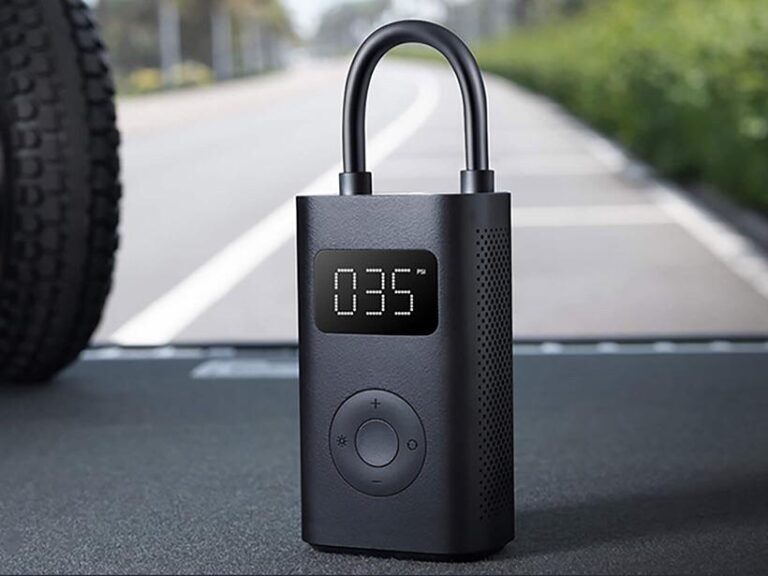
Having a portable tire inflator can be a game-changer during winter. It allows you to adjust your tire pressure easily, whether at home or on the go. When choosing a portable inflator, look for models with a digital gauge for accurate readings, an automatic shut-off feature to prevent over-inflation, and a built-in LED light for visibility during the dark winter days.
Adjust Tire Pressure for Winter Conditions
In some cases, slightly increasing your tire pressure can improve winter driving performance. However, never exceed the maximum PSI rating listed on the tire sidewall. Consult your vehicle’s owner manual or a professional mechanic to determine if adjusting tire pressure for winter conditions is advisable for your specific vehicle and tire combination. For safety guidelines when using inflators, review our car tire inflator safety tips.
Consider Winter Tires
For those living in areas with severe winter weather, switching to winter tires can provide better traction, handling, and safety. Winter tires are designed to perform in cold, icy, and snowy conditions. Remember, even with winter tires, maintaining the correct tire pressure is essential for optimal performance. To ensure you’re never stranded, explore our guide on never getting stranded again with the right tire inflator.
Conclusion
Inflating car tires in cold weather requires special consideration to ensure safety and efficiency. By understanding the impact of cold weather on tire pressure, regularly checking and adjusting your tire pressure, considering nitrogen inflation, investing in a quality portable tire inflator, and possibly adjusting tire pressure or switching to winter tires, you can navigate winter roads with confidence. Remember, tire maintenance is a critical aspect of vehicle care, especially during the challenging winter months. To find the right inflator for your needs, see our roundup of the 10 best car tire inflators.