Finding A Gas Station With Tire Air: Your Complete Guide
Flat tire? It’s happened to all of us. That sinking feeling when you realize you need to find a gas station with tire air quickly. This guide will not only help you locate those precious air pumps but also teach you how to use them effectively and what to look for to prevent future flat tires. We’ll equip you with the knowledge to be prepared for any roadside emergency.
Locating Gas Stations with Air
Finding a reliable gas station with tire air is crucial in a flat tire emergency. This section will explore different methods to ensure you quickly locate a suitable station.
Using Online Maps and Navigation
- Most GPS apps and online map services (Google Maps, Apple Maps, etc.) allow you to search for “gas station with air pump” or similar terms. This often filters results to show only stations with this service.
- Utilize the filter options. Some mapping services have detailed filters allowing you to specify amenities like air pumps, restrooms, and other services to narrow down your search.
- Checking reviews. Customer reviews often mention the condition of the air pumps or other details about the service. This provides a sense of whether the equipment is reliable and working.
These apps use user-submitted data and business listings to indicate whether a gas station offers air. Regular updates ensure the information is relatively current, but it is always good practice to verify upon arrival.
Using the “amenities” or “services” filter improves the efficiency of your search. This saves time and prevents you from having to visit gas stations that lack the equipment you need.
Reading user reviews can reveal if a gas station’s air pump is regularly maintained, functional, or frequently out of order. This helps in selecting a station with reliable equipment.
Utilizing Gas Station Locator Websites
Dedicated gas station locator websites sometimes provide more detailed information than standard mapping apps. They might list specific features like the type of air pump available (e.g., coin-operated, free).
Asking for Local Recommendations
- If you’re in an unfamiliar area, asking locals for recommendations can be valuable. They can often point you towards stations known for reliable air pumps and good service.
- Businesses, such as convenience stores or auto repair shops, may also have information about nearby gas stations with air pumps.
Local knowledge is often superior to online data. People in the community can provide insights about the reliability and availability of gas station services.
These businesses might have working relationships with gas stations and offer an independent assessment of their services.
Understanding Air Pressure and Tire Inflation
This section delves into the technical aspects of tire inflation, ensuring you understand the process and its importance.
Recommended Tire Pressure
- The recommended tire pressure is specified on a sticker located inside the driver’s side doorjamb or in the owner’s manual. It varies depending on the vehicle and tire size.
- Tire pressure is usually expressed in PSI (pounds per square inch). Using a gauge to accurately measure the pressure before and after inflation is important.
This information is crucial for optimal tire performance, safety, and fuel efficiency. Adhering to the recommended pressure is essential.
Accurate measurement ensures the tires are inflated correctly. Over-inflation or under-inflation can lead to safety hazards and uneven tire wear.
Using the Air Pump
- Locate the air valve on your tire. It’s usually a small metal stem protruding from the tire sidewall.
- Connect the air hose to the valve. Ensure a tight connection to prevent air leakage.
- Turn on the air pump and monitor the tire pressure using a gauge. Stop inflating once the desired pressure is reached.
- After inflation, disconnect the hose and check the pressure again after a few minutes to make sure it holds.
Types of Air Pumps Found at Gas Stations
- Coin-operated air pumps are common in many gas stations. These require payment for use, typically ranging from 50 cents to $2.
- Free air pumps are occasionally found, though they can be unreliable or in poor condition. Check for obvious issues before starting.
Maintaining Tire Health
This section provides essential tips for preventing flat tires and keeping your tires in optimal condition.
Regular Tire Pressure Checks
Regularly checking tire pressure (at least once a month) is vital for safety and extending tire life. A significant drop in pressure indicates potential issues needing attention.
Tire Rotation and Balancing
- Rotating your tires regularly (every 5,000-8,000 miles) helps ensure even wear and tear. Improper rotation leads to uneven tread wear and reduced lifespan.
- Wheel balancing also contributes to even wear and improves the driving experience, minimizing vibrations. An unbalanced wheel can lead to premature wear and damage to suspension components.
Visual Tire Inspection
- Regularly inspect your tires for signs of damage such as cuts, punctures, embedded objects, bulges, or uneven wear. Prompt attention to these issues minimizes the risk of a flat tire.
Understanding Tire Tread Depth
Adequate tread depth is essential for safe driving, especially in wet or icy conditions. Use a tread depth gauge to measure your tire tread or check for tread wear indicators embedded in the tire grooves.
Finding Alternative Air Sources
If you’re unable to locate a gas station with an air pump, explore these alternative options.
Auto Repair Shops and Tire Stores
Auto repair shops and tire stores typically offer tire inflation services, often as part of their maintenance services. This is a reliable option when gas stations are unavailable.
Emergency Roadside Assistance
Roadside assistance programs can provide on-site tire inflation or towing services if necessary. This is particularly helpful in emergencies or remote locations.
Portable Air Compressors
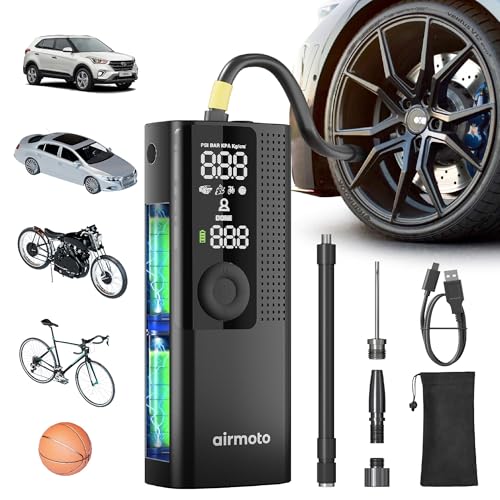
Consider carrying a portable air compressor in your vehicle for emergencies. These allow for self-inflation anywhere, eliminating the need to search for a gas station.
Debunking Common Myths About Tire Air
Myth 1: All gas stations have free air pumps.
This is incorrect. Many gas stations have coin-operated air pumps, while some don’t offer any air service at all.
Myth 2: You can ignore low tire pressure for a while.
False. Driving with significantly under-inflated tires is dangerous and can lead to a flat tire, poor fuel efficiency, and premature tire wear.
Myth 3: You only need to check your tire pressure during winter.
Incorrect. Tire pressure fluctuates with temperature, so regular checks are crucial throughout the year. Summer heat can also reduce pressure.
FAQ
What is the typical cost of using a gas station air pump?
The cost varies depending on the gas station, but typically ranges from 50 cents to $2 per use.
How long does it take to inflate a tire at a gas station?
Inflation time depends on the air pump and the level of deflation, ranging from a few minutes to over 10 minutes.
Are gas station air pumps always reliable?
Reliability varies. Some are well-maintained, while others may be broken or poorly maintained. Check their condition before use.
What should I do if a gas station’s air pump is broken?
Try another gas station, use an alternative option such as roadside assistance or a portable compressor, or contact a local auto repair shop.
Can I over-inflate my tires using a gas station air pump?
Yes, you can. Always monitor the pressure using a gauge to prevent over-inflation, which can damage your tires.
What if the gas station doesn’t have a pressure gauge?
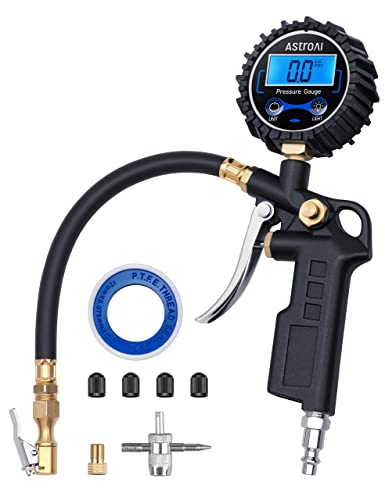
Bring your own pressure gauge to ensure accurate inflation. Many auto parts stores sell inexpensive and reliable ones.
What is the best way to find a gas station with tire air at night?
Use online map services with 24-hour functionality, specifying “gas station with air” and checking reviews for operational hours.
Final Thoughts
Finding a reliable gas station with tire air is crucial for dealing with flat tires. By utilizing the strategies outlined above and understanding tire maintenance, you can significantly reduce the stress and inconvenience associated with roadside tire issues. Remember to check your tire pressure regularly, and keep a portable air compressor or contact information for roadside assistance handy. Being prepared will make all the difference.