2 Top Ways to Easily Inflate Tractor Tires at Home: Your Ultimate Guide
Tractor tires are the unsung heroes of your farm or property, but keeping them properly inflated can sometimes feel like a chore. Whether you’re a seasoned farmer or a weekend warrior with a compact tractor, finding the best way to inflate a tractor tires at home can save you time, effort, and even extend the life of your valuable equipment.
Gone are the days of individually fiddling with each tire valve. Modern solutions offer efficiency and precision, making tire maintenance a breeze. We’re diving into two top-tier inflation systems that make managing your tractor tire pressure incredibly simple and effective.
Why Proper Tractor Tire Pressure Matters
Before we get into the tools, let’s quickly touch on why this is so important. Correct tire pressure on your tractor isn’t just about avoiding a flat. It directly impacts:
- Fuel Efficiency: Properly inflated tires roll more efficiently, reducing fuel consumption.
- Traction and Performance: Optimal pressure ensures the right amount of tread contacts the ground, improving grip and power transfer.
- Tire Longevity: Evenly distributed pressure reduces wear and tear, making your expensive tires last longer.
- Safety: Under-inflated tires can lead to instability, especially when carrying heavy loads or working on uneven terrain.
Key Considerations When Inflating Tractor Tires at Home
When you’re looking for the best way to inflate a tractor tires at home, consider these factors:
- Compressor Compatibility: Will the system work with your existing air compressor or CO2 tank?
- Wheelbase Length: Ensure the hoses are long enough to reach all your tires simultaneously, especially on larger tractors or trailers.
- Durability: Tractor work is tough. You need robust, high-pressure-resistant components.
- Ease of Use: A good system should be straightforward to connect, operate, and store.
- Inflation/Deflation Capability: The ability to both inflate and quickly deflate is a huge plus for adjusting pressure for different tasks or terrain.
Now, let’s look at a couple of fantastic options that can revolutionize how you manage your tractor tire pressure.
LASFIT H4 Tire Inflation Deflation System
![[2025 Upgraded] LASFIT H4 Tire Inflation Deflation System...](https://m.media-amazon.com/images/I/41zaQiFZh9L._SL500_.jpg)
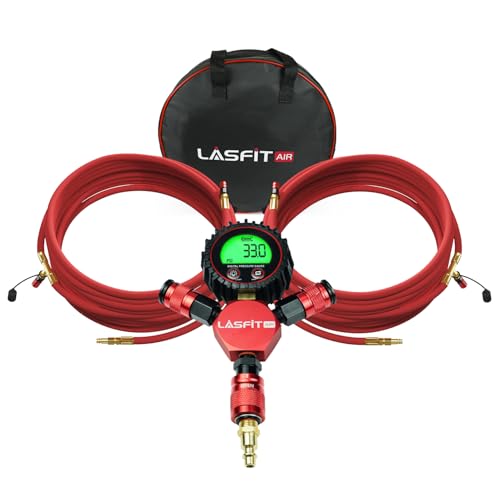
The LASFIT H4 system isn’t just an inflation tool; it’s a complete tire management powerhouse designed for the modern user. What truly makes this system stand out is its robust 2025 Upgraded design, featuring a patented “locking” valve and high-density rubber construction that promises effortless, leak-free inflation and deflation. Its impressive 200-inch wheelbase compatibility means it’s incredibly versatile, handling everything from your trusty tractor to an RV or large pickup truck with ease. This is truly one of the best way to inflate a tractor tires at home if you’re looking for a professional-grade solution that’s still home-user friendly.
Key Features:
– 2025 Upgraded 4 Tire System: Patented “locking” valve and high-density rubber for easy, quick, and leak-free inflation/deflation.
– 200″ Wheelbase More Universal Use: Compatible with vehicles up to a 200″ wheelbase, supporting RVs, trailers, pickup trucks, 4x4s, UTVs, ATVs, SUVs, cars, and motorcycles.
– Compatible with Most Compressors: Features a standard 1/4 NPT male connector for wide use with brands like LASFIT, ARB, Smittybilt, Viair, Morflate, Thors Lightning, and other heavy-duty air compressors or CO2 systems.
– High Pressure Resistant & Ultra Robust: 300PSI max pressure resistance with high-density rubber; aerospace alloy and premium copper ensure rustproof and sturdy construction.
– 5-Year Warranty from LASFIT AIR: Hassle-free backup and 24-hour customer support.
Pros:
– Extremely versatile due to extended wheelbase and universal compressor compatibility.
– High-pressure resistance (300PSI) handles heavy-duty tires with no issues.
– Durable construction using aerospace alloy and premium copper for long-lasting use.
– Patented locking valve ensures secure and efficient inflation/deflation.
– Excellent 5-year warranty provides peace of mind.
Cons:
– Might be a higher initial investment compared to simpler systems.
– Its advanced features might be more than needed for very basic, infrequent use.
User Impressions:
Customers frequently praise the LASFIT H4 for its rock-solid build quality and incredible convenience. Users love how quickly and easily they can air up or down all four tires simultaneously, highlighting the secure locking valves and the long, flexible hoses as major advantages. Many appreciate the peace of mind offered by the extensive warranty, stating it feels like a professional tool made accessible for home use.
Call to Action:
See it on Amazon here
Uharbour 4 Tire Inflation System

The Uharbour 4 Tire Inflation System is designed with one primary goal in mind: simplifying your tire maintenance. This system focuses on efficiency and precision, allowing you to manage all four of your vehicle’s tires simultaneously. It’s a fantastic choice for anyone looking to streamline their routine, whether you’re adjusting pressure for a smooth road ride or deflating slightly for better traction on rough terrain. If you’re looking for a straightforward, effective, and time-saving convenience to the best way to inflate a tractor tires at home, Uharbour offers a compelling solution.
Key Features:
– Efficient 4-Tire Inflation System Up to 125″ Wheelbase: Streamlines tire maintenance for proper inflation in one go.
– Versatile Inflation and Deflation: Effortlessly adjust tire pressure for optimal performance, on-road or off-road.
– Precise Tire Pressure Equalizer: Achieves perfect tire pressure balance, extending tire life and enhancing fuel efficiency.
– Time-Saving Convenience: Inflate or deflate all four tires simultaneously, saving valuable time.
– Total Tire Control: Take charge of your vehicle’s tire health for safety and optimal handling.
Pros:
– Excellent for simultaneous inflation/deflation, saving significant time.
– Built-in pressure equalizer ensures balanced pressure across all tires.
– Helps extend tire life and improve fuel efficiency through precise control.
– Simple and straightforward operation for quick adjustments.
Cons:
– Wheelbase limited to 125 inches, which might not be sufficient for very large tractors or long trailers.
– Maximum pressure resistance isn’t explicitly stated, which could be a consideration for high-PSI tractor tires.
– Warranty information is not detailed.
User Impressions:
Users appreciate the Uharbour system’s focus on convenience and accuracy. Many comment on how much time they save by not having to move from tire to tire, and the consistent pressure equalization is a frequently praised feature. It’s often described as a robust and reliable tool for everyday tire management, making it an excellent investment for home users who prioritize efficiency.
Call to Action:
See it on Amazon here
Conclusion
Maintaining proper tire pressure is crucial for your tractor’s performance, safety, and lifespan. Both the LASFIT H4 and Uharbour 4-Tire Inflation System offer excellent ways to achieve this at home, each with unique strengths.
If you have a larger vehicle with a long wheelbase, need high-pressure capabilities, and want the peace of mind of an extensive warranty, the LASFIT H4 is likely your top pick. Its robust build and universal compatibility make it an excellent long-term investment.
For those with standard-sized tractors or vehicles up to a 125-inch wheelbase, who prioritize streamlined, precise, and time-saving tire management, the Uharbour 4 Tire Inflation System offers fantastic value.
Ultimately, choosing the best way to inflate a tractor tires at home depends on your specific needs, the size of your equipment, and your budget. Either of these systems will make your tire maintenance far more efficient and less of a chore!
FAQ Section
Q1: How often should I check my tractor tire pressure?
A: It’s a good practice to check your tractor tire pressure before each use or at least weekly, especially if the tractor sits for extended periods. Temperature changes can also affect tire pressure, so regular checks are vital.
Q2: What PSI should tractor tires be inflated to?
A: The correct PSI (pounds per square inch) varies significantly depending on the tractor model, tire size, type of work (e.g., fieldwork, road transport), and whether the tires are liquid-filled. Always consult your tractor’s owner’s manual or the tire manufacturer’s recommendations for the precise specifications.
Q3: Can I use a regular car tire inflator for tractor tires?
A: While you can use a regular car tire inflator, it’s generally not recommended for large tractor tires. Car inflators typically have lower airflow and pressure capabilities, meaning it would take a very long time to inflate a tractor tire, putting excessive strain on the compressor. Heavy-duty inflators or multi-tire systems are far more efficient and safer.
Q4: What safety precautions should I take when inflating tractor tires?
A: Always wear eye protection. Stand clear of the tire’s side when inflating, as blowouts can be dangerous. Use a reliable tire gauge, and never exceed the manufacturer’s maximum recommended pressure. Ensure valve stems are in good condition, and if the tire has been completely flat, inspect it for damage before inflating.
Q5: How do I know if my tractor tires are over or under-inflated?
A: Under-inflated tires often bulge at the sidewalls and can lead to excessive heat buildup and premature wear on the outer edges. Over-inflated tires will have a noticeably harder ride, reduced traction, and wear more quickly in the center of the tread. The best way to know for sure is to use an accurate pressure gauge.
Q6: What’s the benefit of a 4-tire inflation system for tractors?
A: A 4-tire inflation system allows you to inflate or deflate all four tires simultaneously from a single air source. This saves significant time and effort, ensures even pressure distribution across all tires, and helps achieve optimal performance and tire longevity more efficiently than checking each tire individually.
Q7: Do I need a special air compressor for tractor tires?
A: Yes, for efficient and safe inflation of large tractor tires, you’ll generally need a heavy-duty air compressor with a high CFM (Cubic Feet per Minute) output and capable of reaching the required PSI (often up to 20-30 PSI for agricultural tires, but can be higher for industrial). Portable compressors designed for RVs or off-roading also work well, provided they meet the pressure and volume requirements.